Explore Lynn Tree Trimming Services for professional tree trimming and pruning solutions
Explore Lynn Tree Trimming Services for professional tree trimming and pruning solutions
Blog Article
Skilled Tree Pruning Services for a Greener Landscape
Experienced arborist services are essential for maintaining a property's well-being and appearance. These experts assess tree states and eliminate troublesome branches, promoting development and safety. Frequent trimming not only enhances curb appeal but also decreases the risk of damage during storms. Comprehending the intricacies of tree wellness and correct techniques can make a substantial difference. Yet, many homeowners ignore critical aspects of this service, raising questions about their choices and outcomes.
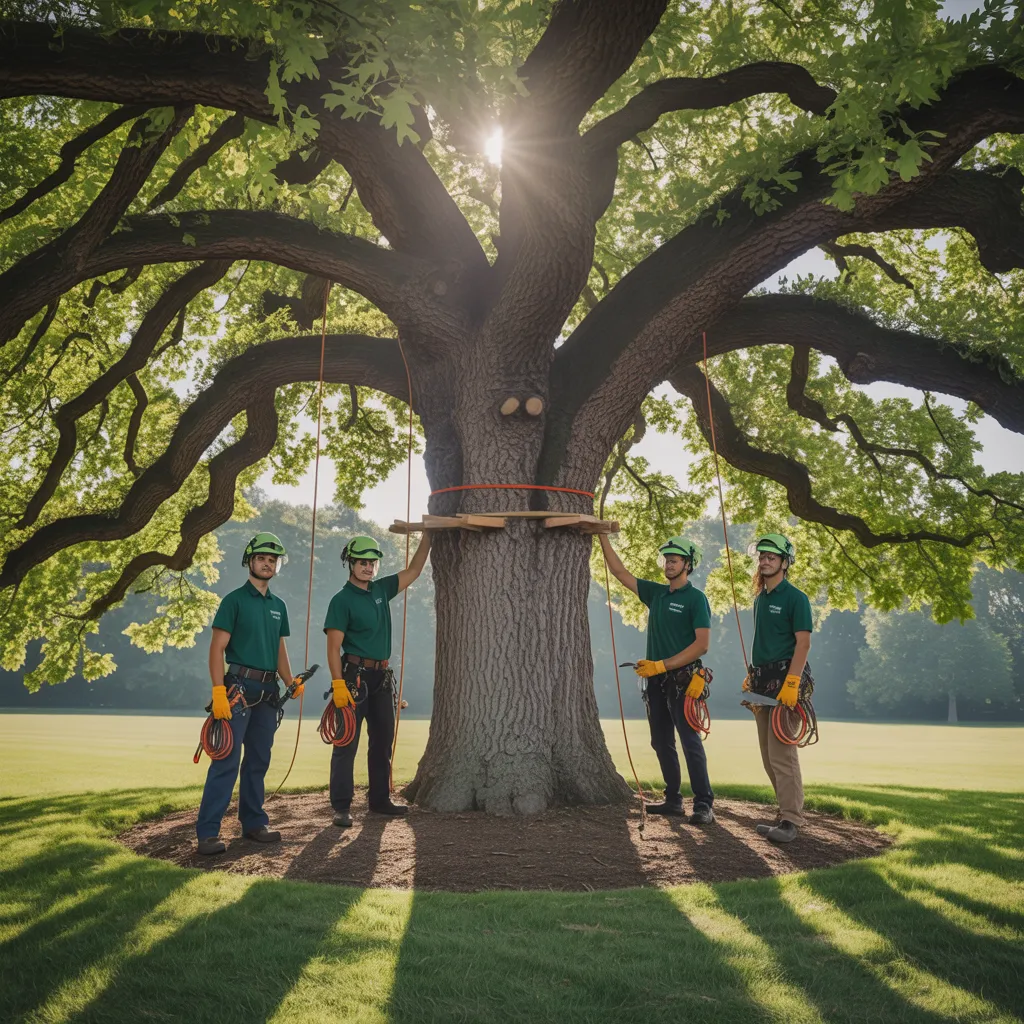
The Significance of Professional Tree Trimming for Your Home's Safety and Beauty
Professional tree trimming improves both the safety and aesthetic appeal of a home. By removing diseased or excessive branches, homeowners reduce risks associated with falling debris during storms, thereby protecting both their property and loved ones. Furthermore, well-maintained trees enhance the overall landscape aesthetics of a landscape, creating a welcoming atmosphere.
Besides security, professional trimming encourages healthier tree growth by allowing for improved light exposure and airflow. This procedure allows trees to establish a robust structure, reducing the likelihood of disease and pest infestations. A trained tree specialist can identify which branches to trim, ensuring that the tree's organic shape is preserved while improving its aesthetic appeal. Regular trimming not only protects the property but also increases its visual attractiveness, making it more attractive to guests and prospective purchasers. Emphasizing professional tree trimming is an essential step in maintaining a safe and beautiful environment.
Common Tree Trimming Techniques You Ought to Learn
Tree trimming applies various methods adjusted to support healthy growth and enhance aesthetic appeal. One well-known technique is crown thinning, which entails selectively removing branches to boost light penetration and air circulation within the tree. This method improves overall health while maintaining the tree's natural form. Another frequent method is crown reduction, used to reduce the height of a tree while preserving its structure. This is especially helpful for trees that threaten nearby structures. Furthermore, deadwooding is a technique focusing on the removal of dead or diseased branches to prevent the transmission of pests and diseases. Lastly, directional pruning steers growth in certain directions, facilitating better landscape design and preventing obstructions. Having knowledge of these techniques allows property owners to make informed choices about their tree care, ensuring a healthier and more attractive landscape.
Determining the Right Tree Trimming Choices
When selecting tree trimming services, what considerations should be evaluated to ensure quality and safety? First, it is essential to assess the company's credentials, including certifications and insurance. A reputable service should have experienced professionals who understand tree biology and proper trimming techniques. Next, customer testimonials and feedback can provide insights into the company's reliability and workmanship.
Moreover, obtaining multiple estimates allows for a comparison of rates and services provided, guaranteeing a just exchange. It's also recommended to question the tools utilized, as modern equipment can enhance protection and performance.
Moreover, examining the company's adherence to local regulations and environmental practices reflects its commitment to responsible tree care. Finally, clear dialogue with the service provider about specific needs and expectations can result in a more satisfactory outcome. By considering these factors, property owners can make an informed choice that fosters a healthier landscape.
What Measures Should You Follow to Get Ready Your Landscape for Tree Trimming?
Preparing a terrain for tree trimming starts with evaluating the status of the trees to determine the best approach. Clearing encircling debris guarantees a hazard-free working locale, while marking clearly the areas designated for trimming helps prevent any misunderstandings during the process. These steps are essential for an effective and successful tree trimming service.
Evaluate Tree Health First
What approach can one use to guarantee a successful tree trimming process? Evaluating tree health is crucial before any trimming begins. A comprehensive inspection of the tree can reveal signs of illness, pest infestations, or structural weaknesses. This evaluation allows for informed decisions about which branches to trim and which to leave intact, ultimately promoting the tree's overall well-being.
Furthermore, examining the tree's environment, such as soil condition and adjacent vegetation, can offer understanding into its strength. Healthy trees are better equipped to bounce back from trimming, ensuring overview that the landscape remains lush. By emphasizing tree health, one sets the stage for effective trimming that enhances not only the individual tree but also the garden as a whole.
Get rid of adjacent waste
Clearing nearby debris represents an important step in getting ready a landscape for tree trimming. This activity includes eliminating any fallen branches, leaves, and other materials that could obstruct the work area. By maintaining a clean space, tree trimming professionals can work more effectively and safely. Debris removal also reduces the risk of accidents, such as slips or trips, which could put at risk both workers and equipment. Additionally, a organized environment allows for clearer visibility, enabling the crew to identify potential hazards and assess the tree's condition more correctly. Homeowners should also consider relocating outdoor furniture or decorations that may interfere with the trimming process, further facilitating a smooth operation and contributing to the overall health of the landscape.
Designate Trimming Areas in a Clear Manner
Marking trimming areas clearly is important for ensuring an successful tree trimming process. This procedure helps to make sure that both the property owner and the trimmers know exactly which branches or sections are to be trimmed. Using flags or tape to indicate these areas effectively can be highly useful. These markers should be placed at a clear distance from the tree, allowing the crew to quickly determine the target zones. Additionally, telling neighbors about the trimming schedule can avoid misunderstandings and help ensure safety. Properly delineating these areas minimizes the risk of accidents and helps maintain the health of the landscape overall, leading to a more organized tree trimming process.
Frequently Requested Questions
What frequency Should I Use for Tree Trimming Services scheduling?
Tree trimming services should typically be arranged every 1 to 3 years, based on the tree type, growth rate, and local climate conditions. Regular assessments can assist in preserving tree health and prevent potential hazards.
What Time of Year Functions Best for Tree Trimming?
The finest time for tree trimming is early spring to late winter, before new foliage begins. This schedule limits strain on the trees and enables for better healing, fostering vigorous healthy growth that thrives subsequently.
Can Tree Trimming Damage My Trees?
Tree trimming can harm trees if done incorrectly or too frequently, resulting in stress, disease, or structural issues. However, when performed properly and at appropriate times, it enhances health and longevity in trees. Proper techniques are essential.
Must I Stay On Site During the Trimming Service?
A homeowner's presence during tree trimming is ordinarily not essential. Professionals can effectively execute the job without assistance, maintaining safety and quality. However, some may decide to be home for interaction and to resolve concerns directly.
How Much Does Expert Tree Trimming Usually Cost?
Professional tree trimming typically spans between $200 and $1,500, based on such factors as tree size, location, and intricacy of the work. Additional costs may exist for specialized services or emergency requests.
Report this page